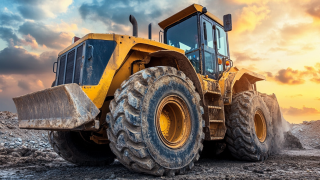
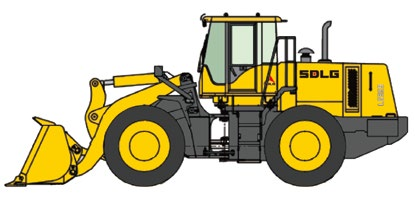
 Wheel Loader
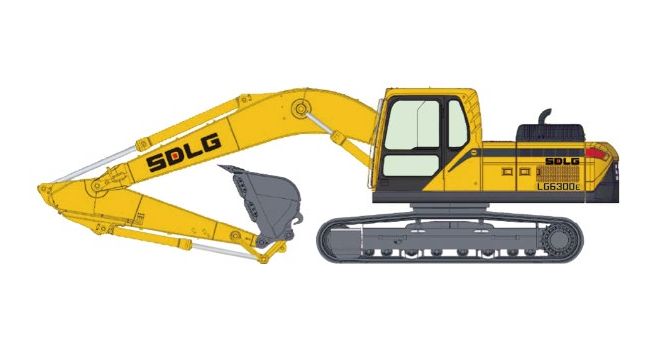 Excavator
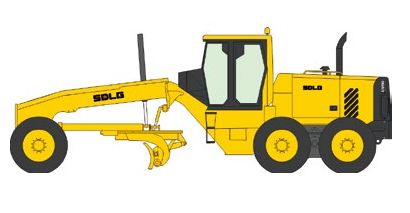 Motor Grader
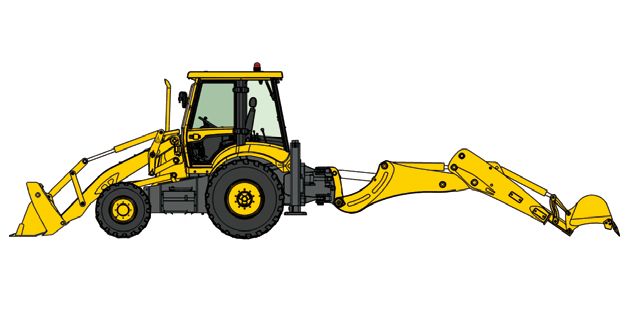 Backhoe Loader
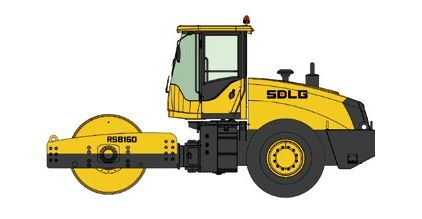 Road Roller
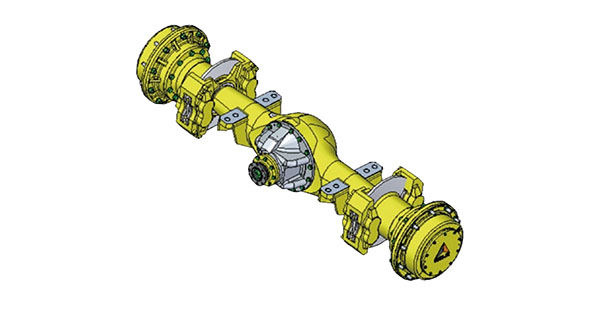 Spare Parts
Leave Your Message
In recent years, the heavy machine operator professions have seriously changed due to the fast pace of transformation that automation has brought into construction and engineering, guided by the varied applications of artificial intelligence (and vice versa). Therefore, as construction jobs go high on advanced machinery and smart technologies, we find the heavy machine operators at the crossroads of old trade skills and new innovations. This evolution not only makes the work more effective but also defines new kinds of responsibilities and skill sets for workers involved in this tough trade.
At Linyi Weiman Import and Export Co., LTD., a major supplier of heavy construction equipment in Linyi city, Shandong province, we value the harnessing of technological advancement. Our commitment to providing superior machines like wheel loaders, backhoe loaders, and excavators advances heavy machine operators doing well in a more automated world. Giving them modern equipment is to guarantee that they not only operate but also optimize these machines for productivity, safety, and the future of constructions on a job site.
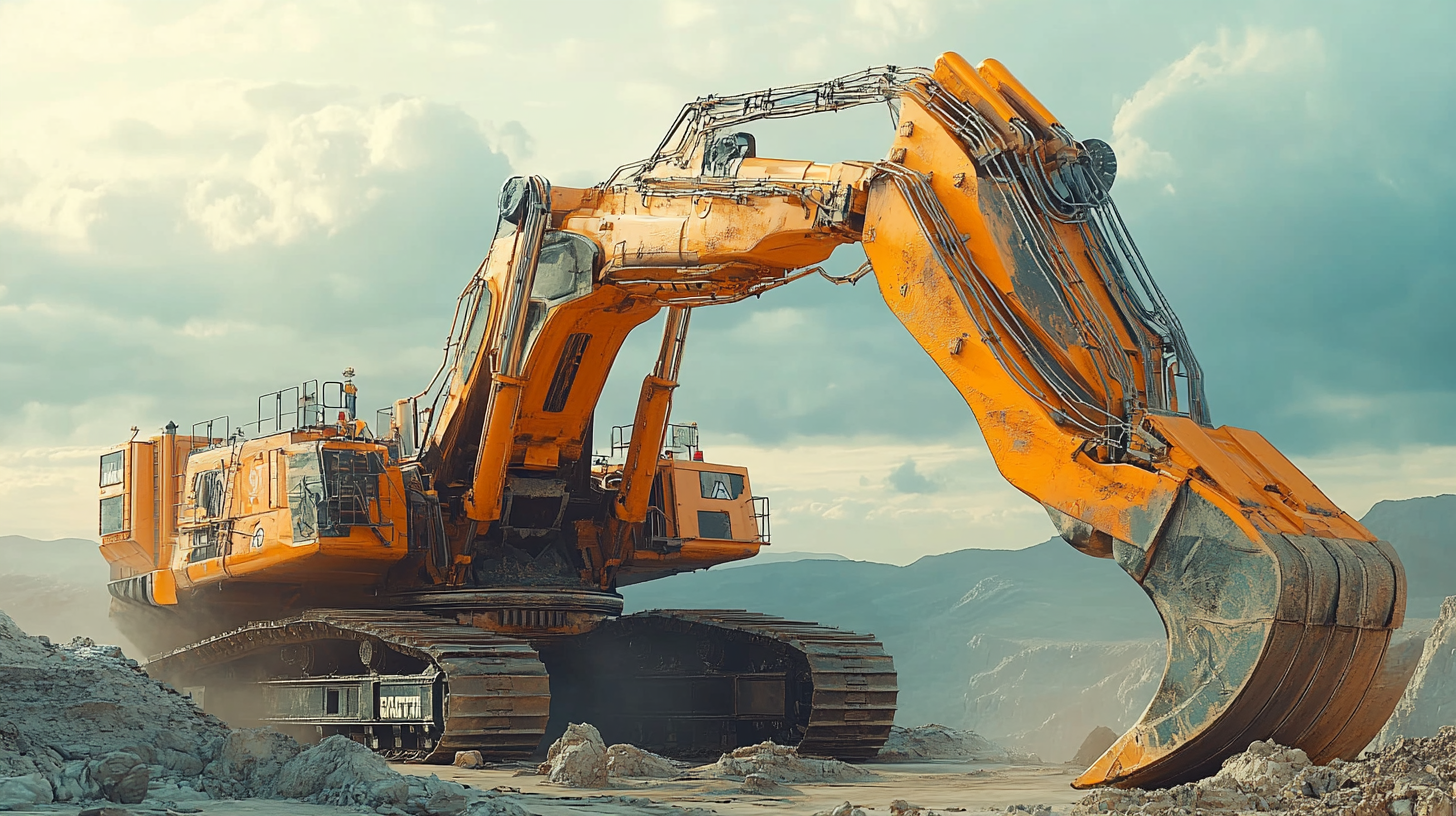
The transformation of heavy machinery over the years is representative of a wider trend in an industry that has been resistant to automation. As labor shortages grow and the use of robotics in construction further accelerates, many organizations see the dire need for innovation. The construction robotics market is predicted to grow to about $420 million by 2025, constituting a major trend toward automated solutions in an industry that has depended on manual work for so long. With integration of automation and artificial intelligence, production and efficiency enhancement are at an unprecedented peak. The global industrial machinery market in 2023 is estimated at almost $693.7 billion and will register a compound annual growth rate (CAGR) of 7.5% between 2024 and 2032. The heavy machinery demand across industries like construction, mining, agriculture and manufacturing will mainly fuel the growth. Furthermore, humanoid robots have arrived, showcasing technology advancements, and signaling the fast-changing world of labor. By 2030, it is expected most jobs that today are done by human beings will be taken over by machines; which, in turn, makes it imperative to get ready for a future in which heavy machine operators might themselves be working alongside intelligent machinery. This change is not just a technological overhaul; it means a reconsideration of roles, skills, and the very nature of labor in the heavy machine industry.
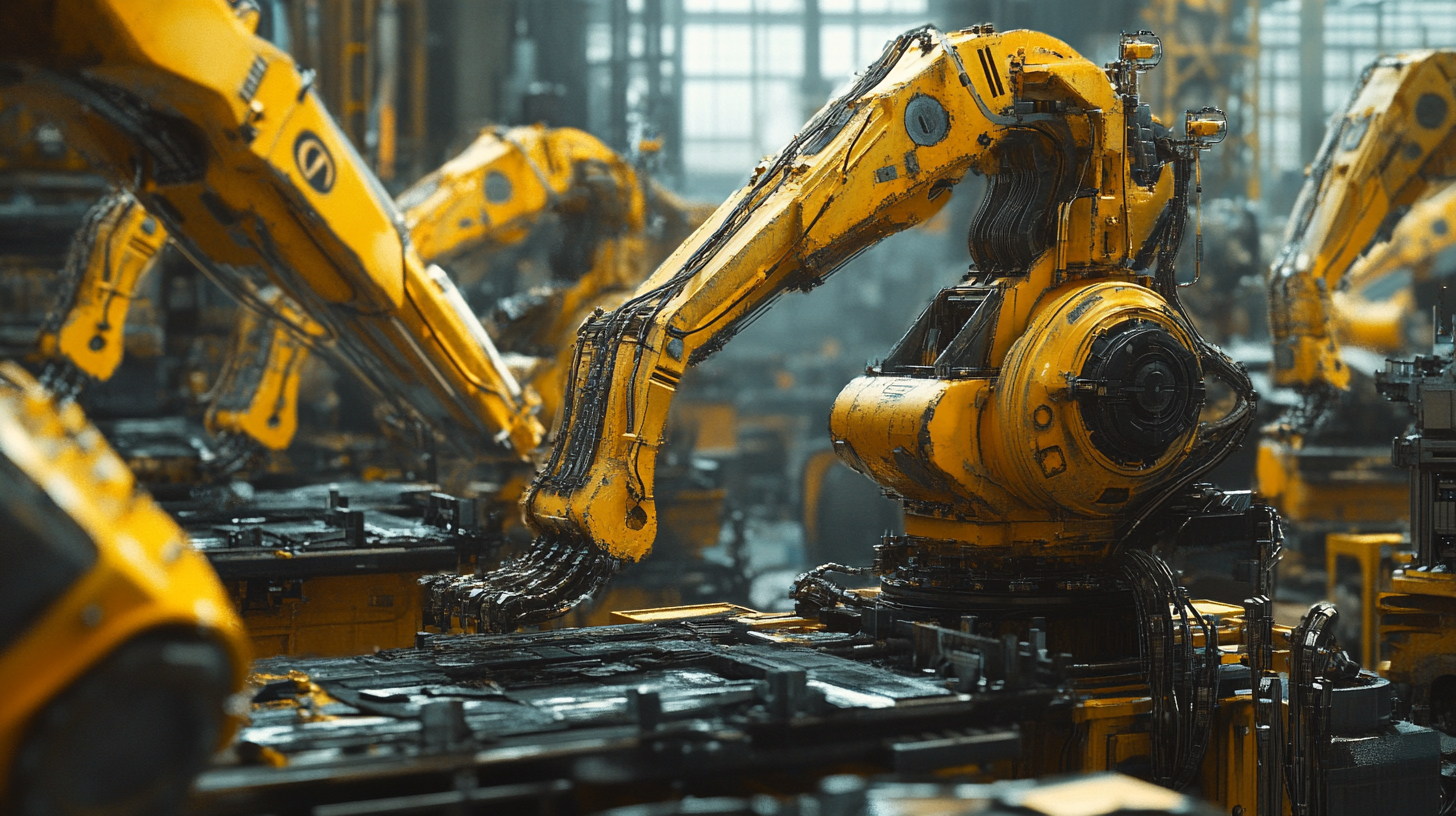
From heavy machine operation, no longer will it be like what we have always known it to be, especially in today's heavy industrial space; this is what technology has to teach it with strong influences from automation and such from artificial intelligent systems (AI). Today, the International Federation of Robotics (IFR) indicates through its reports that more than 3 million industrial robots were counted globally in 2021 showing great progress from the much traditional reliance on skilled operators to moving machines and approaches. As a result, productivity will touch every alcove affected by the operator's role-makeover in any industry-from construction to manufacturing and mining.
Heavy machine operators increasingly are said to rise to new demands on what are very much spaghetti kinds of skills-their technical and, increasingly, their digital competency. The Ops like all those functions of the complex machines, fulfilling diagnostics and programming needs for taking part in an automated model, literally do what NIOSH mentions. So, nowadays, you have to understand that as AI takes shape, operators will also have to interface with intelligent systems that will analyze data and try to suggest the best operational procedures-their changing roles and improving employees' value.
The continued heavy machine operators would be demanded by the BLS for further infrastructure works and technological advances, according to BLS data. Companies need to establish training programs that would allow employees to gain key technical and professional skills, as recruitment features a slow shortage of qualified operators in line with the growing demand. The future of heavy machine operators under this condition is the jubilant promise of flexibility and continuous learning, thereby ensuring their relevance in the fast-evolving environment of the industry.

Heavy Machine Operators See Change in Role With Automated Construction Manufacturing and Artificial Intelligence: Introduction of AI Technology to Heavy Equipment-Reform of Already Established Procedures-Who Work More Efficiently and Productively-Real Time Data Analysis-Advanced Algorithms and Machine Learning Allow Equipment to Make Smarter Decisions on Job Sites-Innovation in Process Production, Safe and Reliable Work Systems To Eliminate Manual Errors and Inefficiencies from Work Processes.
One of the biggest impacts that artificial intelligence has had on heavy equipment efficiency is the development of self-operating autonomous machinery. Self-operating bulldozers, excavators, and trucks are now independently operable, thanks to complex AI systems. These machines can optimize their travel directions, more efficiently manage loads, and work continuously requiring minimal human supervision. This has allowed human operators to concentrate on overseeing and strategizing rather than repeating time-consuming tasks.
AI technologies are also establishing predictive maintenance as another essential feature of modern engineering operations in heavy machinery. Devices continuously monitor their performance and predict possible failures before they occur using networked IoT sensors and AI analytics. Such devices will increase the durability of machinery and reduce downtime as well. All these efforts translate into massive cost saving for organizations. It enables operators to keep vehicles operating efficiently enough to prevent project schedules from being met while enjoying the maximum possible return on capital investment in their equipment.
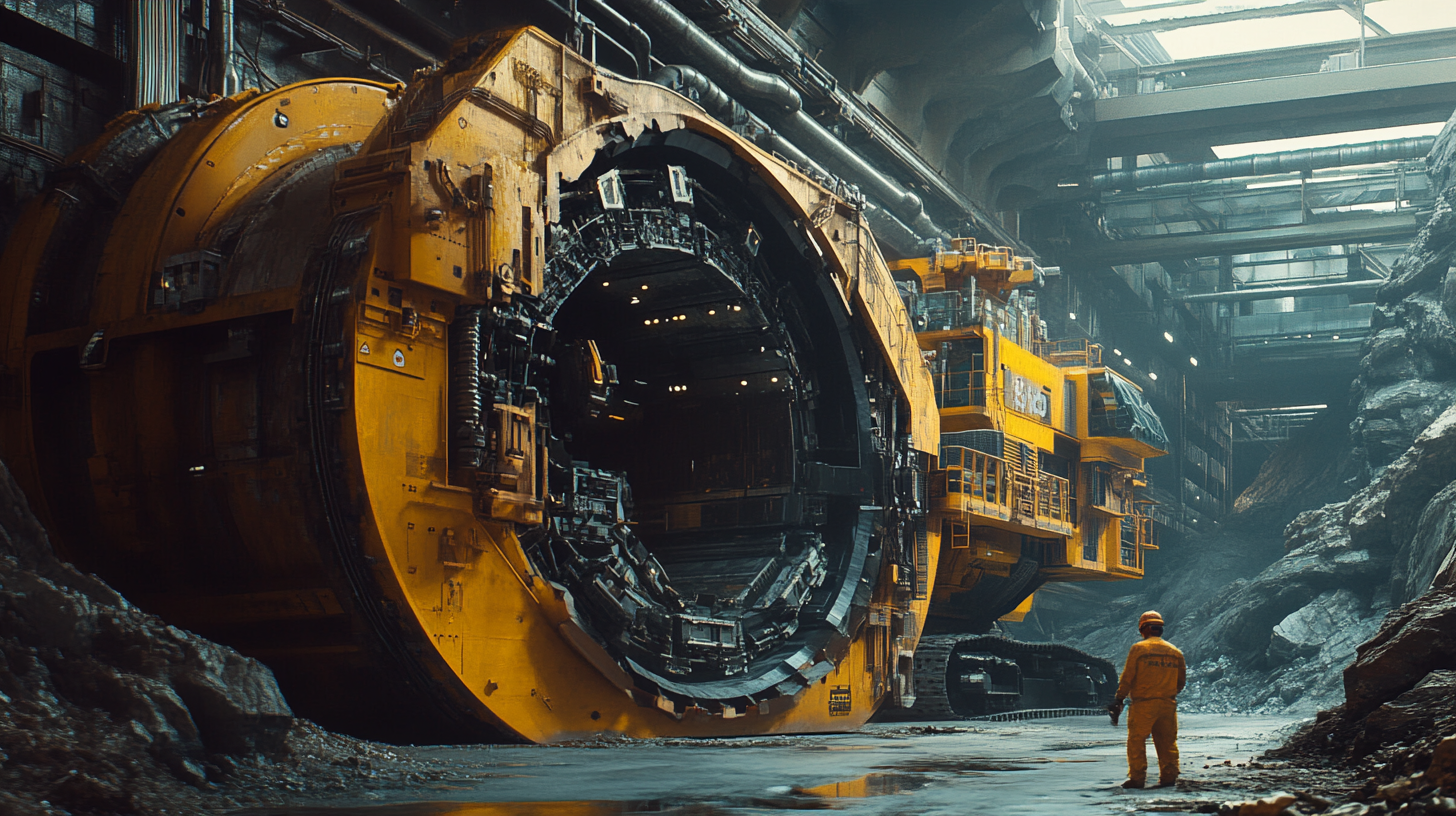
The construction and manufacturing industries are increasingly incorporating automation and artificial intelligence (AI), meaning heavy machine operators must adapt their skill sets in order to stay relevant. The World Economic Forum has stated that by the year 2025, 85 million jobs may be displaced due to the alteration in labor by humans and machines. Since these changes are to take place, there must be a strong retraining program centered on training the operators with the requisite digital skills, along with the necessary technical know-how.
Training programs are now incorporating the curriculum needed to teach data analytics, machine maintenance, and operating sophisticated robotic systems. As per the National Center for Construction Education and Research, heavy machinery operators need to have skills that incorporate traditional operating skills with knowledge of interpreting data from machine sensors and understanding the outputs of the AI systems. For instance, operators knowledgeable of AI analytics can diagnose equipment performance issues, enhance equipment productivity, and predict maintenance, which are excellent ways of ensuring optimized productivity with reduced downtimes.
Training leaders include Caterpillar, which is leveraging virtual reality (VR) and augmented reality (AR) to enhance training programs. Immersive technologies enable operators to train via heavy machinery simulators in a safe setting while gaining insights into intricate automated systems before arriving on site. Adaptation to skills becomes key to creating a workforce that will walk with advancing technology due to such an ever-changing landscape in heavy machinery.
The relationship between automation and artificial intelligence has transformed the operation of heavy machinery predominating in the industry. The operations make room for significant advantages while harboring its unique set of disadvantages. Also, as per the report from McKinsey Global Institute regarding employment, it is expected that up to 60% of jobs along with the heavy machine operators may be automated by at least 30% of the duties they do by the year 2030.
Automation will help enhance the efficiencies and capabilities of the companies while making costs lower. Towards this end, a firm will thus be able to allocate and utilize the resources in the most productive way.
The transition to automation is not without its challenges. According to ASCE, the American Society of Civil Engineers, automation enhances precision and further reduces human errors. However, as it stands, job displacement brings about downfall- with 1.5 million estimated heavy machine operator jobs at risk. The industry must traverse these transitions through the job market by looking at reskilling and upskilling the existing workforce to work with these technologies instead of eliminating roles altogether.
Such adoption and implementations of machinery will lead to horrible issues on the safety and reliability aspects. According to the National Institute for Occupational Safety and Health (NIOSH), while injury accidents may be averted through data analytics and predictive maintenance by automated systems, some of these required operators employ unique technological skills to operate equipment. Attention is focused on specialized training aimed at enabling workers to be integrated into robots and automation, while at the same time upholding high safety levels in operations.
No, it is false to say that data is trained until October 2023.
Up until now, the incorporation of robotics replacement into the artificial activities of heavy machinery operators has been one of the major event marks in the construction and manufacturing industries. As industries look for more efficiency and safety, robotic technology has transformed the work of heavy machine operators by changing the way they perform their tasks. An International Federation of Robotics report states that the global market for industrial robots is projected to reach $65 billion by 2026, with a significant portion of it dedicated to applications in the construction and mining sectors.
Robots have found their way into heavy machinery applications-from fully autonomous excavators performing all functions to robotic haulers. Most often, these equipment can either complete routine functions or enhance precision while reducing the physical burden placed on the human operator. According to a report prepared by PricewaterhouseCoopers, automation could account for a whopping $15 trillion of the global economy by 2030 - with the construction and heavy machinery sectors benefiting substantially from this transition. Automated robotic systems have the potential of improving productivity as much as 20%, thereby changing the flow of operations.
In addition, an AI-enabled robotic framework comes with advanced analytics capabilities which will endorse developing on-site decision-making. For example, heavy machinery companies using AI can forecast maintenance on their machines which would bring down downtimes to about 50%. As the heavy machinery operator adopts this technology, his or her role would evolve to become more of overseeing and managing these automated systems which could change the skill requirement of the workforce as a whole. It does not only contribute to highly enhanced productivity but compliance with safety regulations and standards so that the risk exposure to human operators while manipulating heavy machines is minimized.
It's really a large advancement inside construction and mining industries due to automation and artificial intelligence. These technologies allowed for not only efficiency improvements but change the very nature of jobs of heavy machine operators. One case study of particular interest might be introducing autonomous haulage trucks in large-scale mining operations. Autonomous trucks are being used to transport ore by companies like Rio Tinto; these totally driverless vehicles have brought down operating costs and improved safety in life-threatening environments. AI is used to optimize routes and for predictive maintenance, again cutting down on downtime and helping these companies increase productivity.
In construction, the new kind of robotic bricklaying system has altered the way buildings have traditionally been erected. Companies such as Construction Robotics have provided evidence in support of their machinery, the SAM100, which can lay bricks with unprecedented speed and precision. The method not only speeds completing work but also takes care of the labor shortage, allowing human beings to concentrate on more demanding works such as project management and project supervision. Automation of routine tasks is thus dramatically changing the skill requirements for laborers, who are now expected to be responsible for operating and managing these complex machinery instead of carrying out manual work.
Overall, these case studies prove automatic control and artificial intelligence in heavy machinery operation, which is part of the overall trend that technology will shape the workforces of construction and mining. Consequently, companies will fuel operational enhancement and initiate reengineering the work future of heavy machine operators.
During considerable events, economies and industries are revolutionized, which work towards the development of higher roles for the heavy machine operators by bringing automation and artificial intelligence into play and incorporating them with heavy machines. Operators will have to manage and interpret the data of all formatted strategic systems in the last phase to operate machines primarily based on manual skills. This is the evolution through learning and retainer whereby the operator will not just be working as a machine driver but rather become data analysts owning up-to-optimize and troubleshoot system problems as an independent.
As automation becomes more prominent, the demand for heavy machine operators will change as well. Some old jobs will be reduced or eliminated by automation. However, new job categories will come up such as machine programming, drone operation, and remote monitoring. Thus, there will be a need for educational programs in vertical direction along with the industry, making a new generation among operators for these newly developing tasks. Constantly investing in training and evolving technology leans itself well to its future - indeed great opportunities - in heavy machine operation.
In the future, humans will be working with robots-the so-called "cobot"-the labor does not have to maximize work output because operators can task themselves with more complicated decision-making tasks. As the heavy machine operator becomes transformed in role, the promise of better job satisfaction through less physical strain and more engagement in strategic roles seems bright. Thus, this trend indicates a shift toward innovative careers with less physical work among industry professionals.
The change in the duties of heavy machine operators, indeed, enhances safety levels that were previously impossible to provide, owing to advances in automation and artificial intelligence (AI). With the inclusion of automation and AI technologies in heavy machinery, operators find themselves with lesser risks arising from manual handling and decision-making processes. This culture promotes safety not just for the individual but for the industry as a whole.
One important aspect of safety enhancement is the use of AI for real-time monitoring, which includes factors such as load weight and stability of equipment. With an ability to predict occurrences of various failures prior, such mechanisms allow operators to take preventive action. Advanced sensors and cameras give the operator a good view of the space around the machinery, therefore minimizing blind spots and enhancing situational awareness. This heightened awareness affords operators timely decision-making, thus reducing the risk of accidents.
Meanwhile, training programs for heavy machine operators are changing by incorporating digital simulations that portray real-life events. Such simulations give operators an opportunity to practice their skills in a safe environment while preparing them for emergency situations without the risk of actual operation. Automation will thrive in the heavy machinery sector; thus, the assurance is that the emphasis on safety will only gain momentum, leading to a future where heavy machine operators will be working side by side with advanced technologies to bolster operational safety along with efficiency.
The machines now use automation and artificial intelligence to do a good percentage of work in heavy operations. Thereby changing the role of machine operators from sole human effort to human-and-machine experts. Apparently, the report of the McKinsey Global Institute states that nearly 70% of the work in heavy machinery operation is possible to do automatically. But that does not eliminate operators as they become managers and supervisors with complex decision-making. The focus of this evolution will be on human-machine collaboration since operators will then spend time with digital technology to improve efficiency and safety.
This new paradigm in heavy operations envisions a joint emergent September where machines and humans are not there to exist harmoniously, but develop symbiosis. According to a study, it is said by PwC that companies with an optimal approach for humans and machines can expect a productivity increase between 20 to 30 percent. It will help enable operators to continue working with their autonomous equipment, optimize processes, reduce errors, access AI tools, and free them from routine tasks, improving their ability to target strategic initiatives that require predictive maintenance or real-time analysis of data, and avoiding more routine manual tasks.
A behavioral change will need to happen at the organizational level as well, before the move toward a more collaborative model can be realized. By 2025, 85 million jobs may give way to AI and automation technologies, with 97 million roles being created. These roles will be of individuals to complement just as the division of labor differs between humans and machines, according to the World Economic Forum. A skilled workforce becomes mandatory to handle the intricacies of modern heavy operations, ultimately leading to a safer and more productive industry.
AI technology has enhanced productivity and efficiency in heavy equipment operations by enabling real-time data analysis, streamlining workflows, and reducing manual errors.
Autonomous machinery, such as self-operating bulldozers and excavators, has emerged, allowing equipment to function independently and optimize operations with minimal human intervention.
By utilizing IoT sensors and AI analytics, heavy equipment can self-monitor its performance and predict potential failures, which helps extend machinery lifespan and reduce downtime.
AI-driven technologies provide real-time monitoring of equipment parameters and predictive failure alerts, reducing workplace accidents and enhancing operational safety.
These technologies offer operators enhanced visibility around the machinery, reducing blind spots and improving situational awareness, which helps prevent accidents.
Training programs now include digital simulations that replicate real-world scenarios, allowing operators to practice skills safely and prepare for emergencies without risks associated with actual operation.
Automation is expected to continue transforming operations, with a focus on safety and efficiency, as heavy machine operators collaborate with advanced technologies in their work.
AI technologies help maintain higher operational efficiency, ensuring that project timelines are met while maximizing the return on equipment investments.
By taking over repetitive and time-consuming tasks, AI allows human operators to concentrate on oversight and strategic decision-making instead of manual operations.