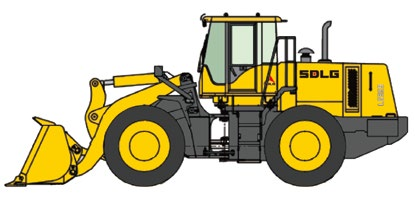
 Wheel Loader
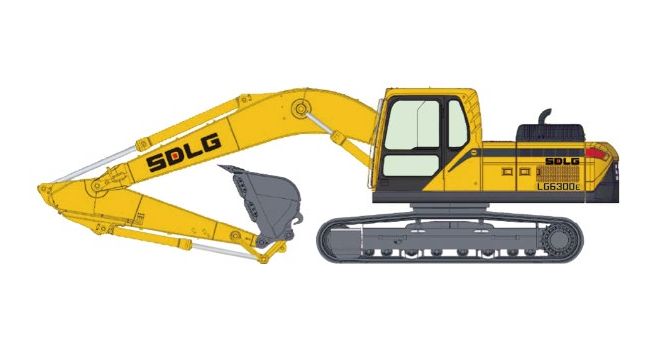 Excavator
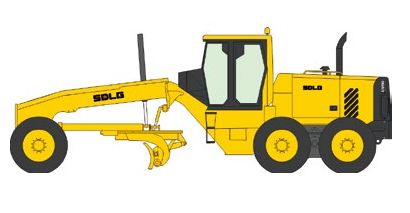 Motor Grader
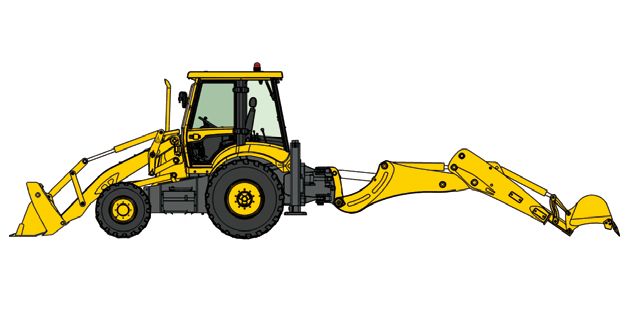 Backhoe Loader
 Road Roller
 Spare Parts
Leave Your Message
France represents one of Europe's most dynamic construction equipment markets, with the mini excavator segment experiencing remarkable growth over the past decade. The French construction industry, valued at over €150 billion annually, has increasingly embraced compact construction machinery, particularly mini excavators ranging from 1 to 6 tons. This shift reflects the evolving needs of urban development projects, infrastructure modernization, and the growing emphasis on sustainable construction practices across major French cities including Paris, Lyon, Marseille, and Toulouse.
The demand for mini excavators in France has been driven by several key factors: the densification of urban areas requiring equipment that can navigate tight spaces, stringent environmental regulations favoring fuel-efficient machinery, and the expansion of utility infrastructure projects. French contractors and construction companies increasingly prefer mini excavators for their versatility, lower operational costs, and ability to work in confined spaces typical of European urban environments.
Mini excavators have become indispensable across various sectors in France. In urban renovation projects, particularly in historic city centers where preservation regulations limit the use of large machinery, compact excavators provide the perfect solution. The landscaping industry, which has seen significant growth in France's residential and commercial sectors, relies heavily on mini excavators for tasks ranging from garden preparation to tree planting and terrain modification.
The French utility sector, including telecommunications, water management, and energy infrastructure, has embraced mini excavators for trenching and cable laying operations. Companies like Enedis (electricity distribution) and GRDF (gas distribution) regularly utilize compact excavators for maintenance and expansion of underground networks. Additionally, the agricultural sector in rural France has discovered the versatility of mini excavators for drainage work, pond construction, and farm infrastructure development.
Specialized solutions for French metropolitan areas with space constraints and strict noise regulations
Supporting France's growing green infrastructure initiatives and garden design industry
Essential equipment for underground network maintenance and expansion across French regions
While France hosts several international construction equipment manufacturers and distributors, the market is characterized by a mix of domestic production facilities and import operations. Major European brands maintain strong presence through regional distribution centers, particularly in the Île-de-France, Auvergne-Rhône-Alpes, and Provence-Alpes-Côte d'Azur regions. These facilities not only distribute equipment but also provide crucial after-sales support, maintenance services, and spare parts supply chains.
The French market has shown particular interest in manufacturers that can provide comprehensive support packages, including operator training, maintenance contracts, and rapid parts availability. This has led to the establishment of specialized service centers in key industrial zones, ensuring that construction companies can minimize equipment downtime and maintain project schedules.
The French construction equipment market is at the forefront of the European transition toward electrification and sustainable technology. With France's commitment to carbon neutrality by 2050 and strict emissions regulations in urban areas, electric and hybrid mini excavators are gaining significant traction. Major French cities, including Paris, have implemented low-emission zones (Zones à Faibles Émissions - ZFE) that restrict access for diesel-powered equipment, accelerating the adoption of electric alternatives.
Manufacturers targeting the French market are increasingly developing battery-powered mini excavators with improved performance characteristics, longer operational hours, and faster charging capabilities. This trend aligns with France's robust electrical infrastructure and growing network of charging stations, making electric equipment more practical for construction sites across the country.
French construction companies are embracing digital transformation, driving demand for mini excavators equipped with telematics systems, GPS guidance, and IoT connectivity. These smart features enable remote monitoring, predictive maintenance, and optimized fleet management – capabilities particularly valued by large French construction firms and equipment rental companies. The integration of Building Information Modeling (BIM) with excavator control systems is becoming increasingly common in major infrastructure projects.
✓ Grand Paris Express project requiring extensive underground construction work
✓ National infrastructure renovation programs focusing on aging utilities
✓ Increased investment in renewable energy installations requiring site preparation
✓ Growing rental market with professional equipment management requirements
✓ Stringent safety and environmental compliance standards driving equipment upgrades
The equipment rental sector in France has experienced robust growth, with mini excavators representing a significant portion of rental fleet inventories. Companies like Kiloutou, Loxam, and Point P Matériaux have expanded their compact equipment offerings to meet diverse customer needs. This trend benefits both small contractors who prefer operational flexibility and large firms seeking to optimize capital expenditure. The rental model also facilitates access to the latest technology and ensures compliance with evolving environmental regulations.
France's construction equipment market operates under comprehensive EU regulations and additional national standards. The CE marking requirement ensures that mini excavators meet safety, health, and environmental protection standards. French authorities enforce strict noise emission limits (particularly in urban areas), operator certification requirements, and regular equipment inspections. Manufacturers and distributors serving the French market must navigate these regulations while providing equipment that meets the demanding performance expectations of French contractors.
The French market exhibits distinct regional variations. The Île-de-France region, encompassing Paris and its suburbs, represents the largest market due to continuous urban development and infrastructure projects. The Lyon metropolitan area and the French Riviera also show strong demand driven by commercial construction and tourism-related development. Rural regions, particularly in agricultural areas of Nouvelle-Aquitaine and Occitanie, demonstrate growing interest in compact excavators for farm-related applications and rural infrastructure maintenance.
The French mini excavator market features intense competition among established European brands, Asian manufacturers, and specialized compact equipment producers. Success in this market requires not only competitive pricing and reliable equipment but also comprehensive after-sales support, French-language documentation, and compliance with local business practices. Companies that establish strong dealer networks and maintain adequate parts inventory gain significant competitive advantages.
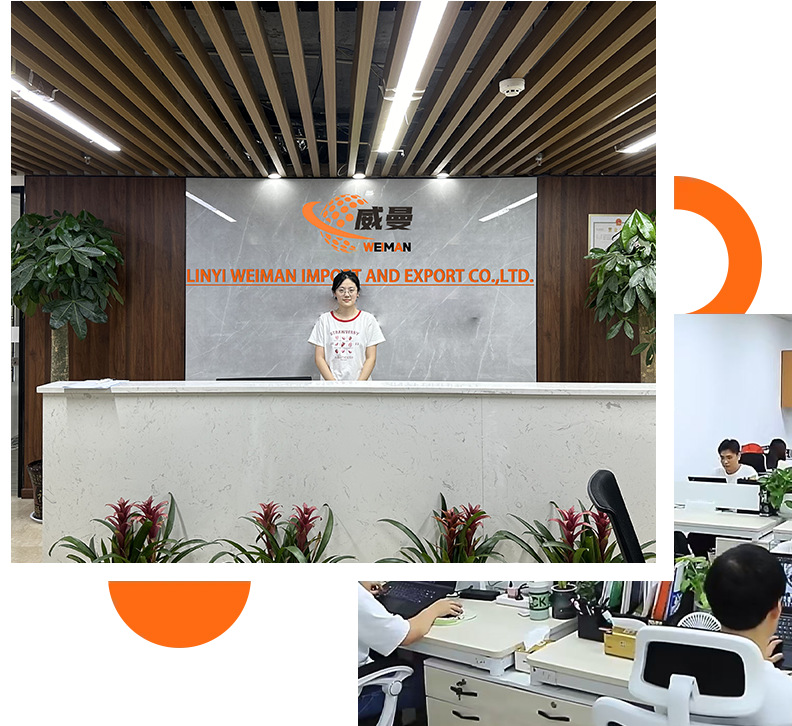
Linyi Weiman Import and Export Co., Ltd. Located in Linyi city, Shandong province, near SDLG factory and closes to XCMG, SEM, Shantui and Weichai factories.
Weiman is the top professional construction equipment supplier, in particular heavy construction equipment, including wheel loaders, luxury mini loader, backhoe loader, skid steer loader, excavator, motor graders, forklift, bulldozer or countries world widely.
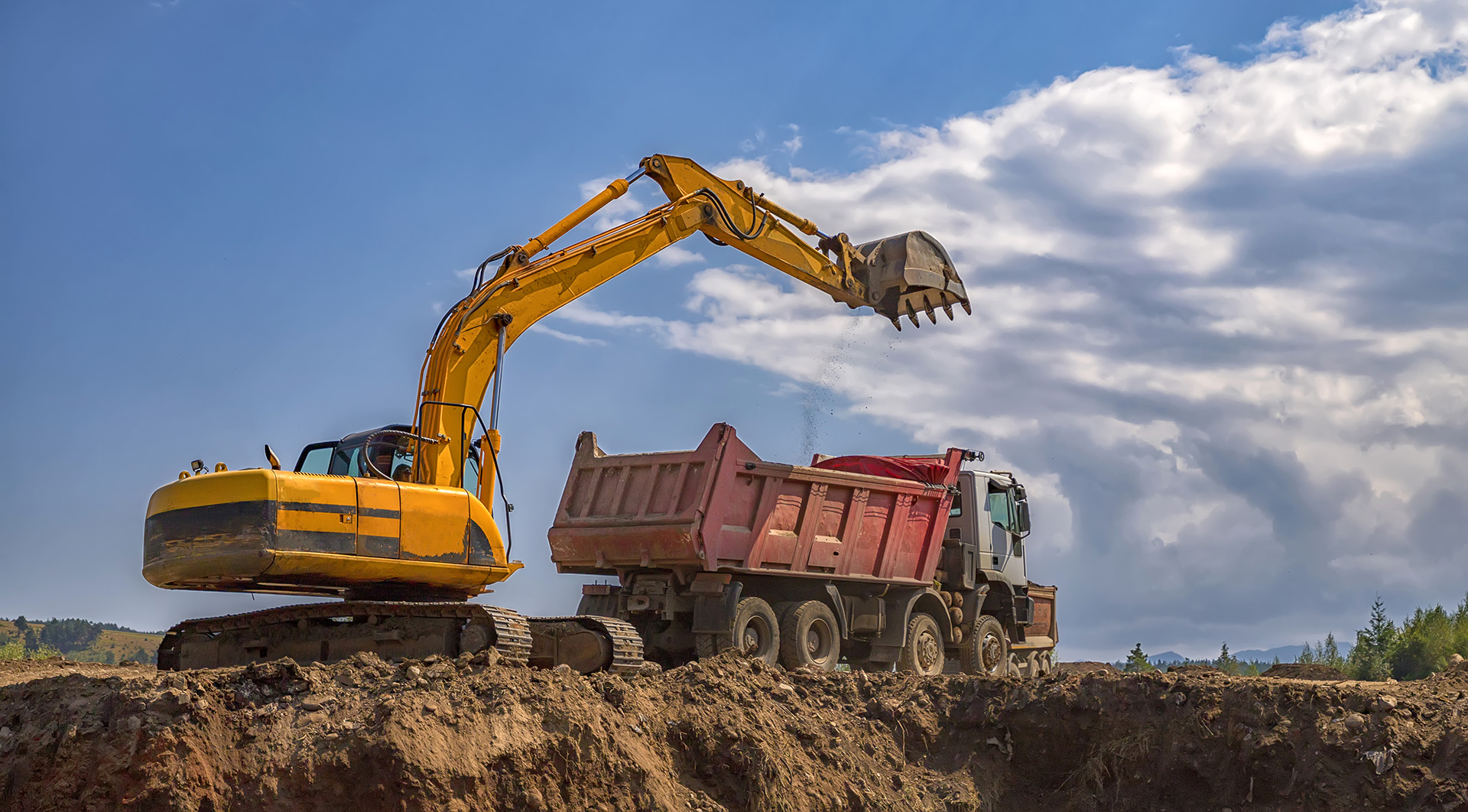
The Grand Paris Express, one of Europe's largest infrastructure projects, extensively utilizes mini excavators for surface works, utility relocation, and site preparation. Compact excavators prove essential for working in densely populated areas where minimizing disruption to daily life is paramount. These machines navigate narrow Parisian streets and work within the constraints of historic neighborhoods while meeting strict noise and emission standards.
In France's renowned wine regions such as Bordeaux, Burgundy, and Champagne, mini excavators have become valuable tools for vineyard management. They assist in planting new vines, maintaining drainage systems, and constructing terraces on hillside vineyards. The compact size prevents soil compaction and vine damage while providing the power needed for various agricultural tasks. Similar applications extend to orchards and specialized crop production throughout French agricultural regions.
France's extensive heritage of historic buildings and monuments requires careful restoration work where mini excavators play a crucial role. Their precision control and compact dimensions allow work in sensitive archaeological sites and around fragile structures. Projects at châteaux, medieval town centers, and protected monuments benefit from equipment that combines power with delicate operational capability.
Along France's extensive coastline, from Brittany to the French Riviera, mini excavators support marina construction, beach management, and coastal protection projects. Their versatility in sandy conditions and ability to work in confined spaces makes them ideal for maintaining seawalls, constructing boat ramps, and developing waterfront facilities.
Precision equipment for working around France's historic monuments and archaeological sites
Specialized applications in world-famous French wine regions and agricultural lands
Critical role in metro expansion and public transportation infrastructure projects
France's commitment to environmental sustainability has influenced mini excavator applications in green building projects, eco-district development, and renewable energy installations. Solar farm construction, wind turbine foundation work, and geothermal system installation all benefit from compact excavation equipment. The trend toward urban greening projects, including rooftop gardens and urban forests, creates additional demand for mini excavators capable of working in challenging access situations.
French emergency services and civil protection agencies increasingly rely on mini excavators for rapid response to natural disasters, including floods, landslides, and storm damage. Their mobility and versatility make them valuable assets for debris removal, temporary infrastructure construction, and rescue operations in areas inaccessible to larger equipment.
The French mini excavator market presents significant growth opportunities driven by several emerging trends. The expansion of fiber optic networks across rural France requires extensive trenching work ideally suited to compact excavators. The renovation wave initiative, aimed at improving energy efficiency in existing buildings, creates demand for excavation work related to foundation improvements and utility upgrades. Additionally, the development of sustainable urban drainage systems and green infrastructure projects will continue driving mini excavator demand.
Climate adaptation measures, including flood prevention infrastructure and water management systems, represent another growing application area. As France invests in resilience against climate change impacts, mini excavators will play essential roles in constructing retention basins, improving drainage systems, and modifying landscapes for better water management.



Quick delivery time for customers, prompt reaction for spare parts, all these has made a good reputation for us for being a trustworthy partner, because we believe in understanding our clients, open communication, effective planning as well as preparation and is committed to executing and delivering our promises. Our warehouse covers more than 5000 square meters, and located near the airport, railway and high way, which guarantee the quick delivery and low purchasing cost, which will save you much time and money.